Post
Samsung vs iPhone: Which Smartphone Ecosystem Is Right for You?
Jun
Samsung vs iPhone: Which Smartphone Ecosystem Is Right for You?
Introduction Samsung vs iPhone
Choosing a new smartphone is no longer just about selecting a device with the best camera, fastest processor, or largest battery. In 2026, the decision between Samsung and iPhone often comes down to choosing an entire ecosystem. Both companies have built comprehensive networks of devices, services, applications, and technologies that extend far beyond the smartphone itself.
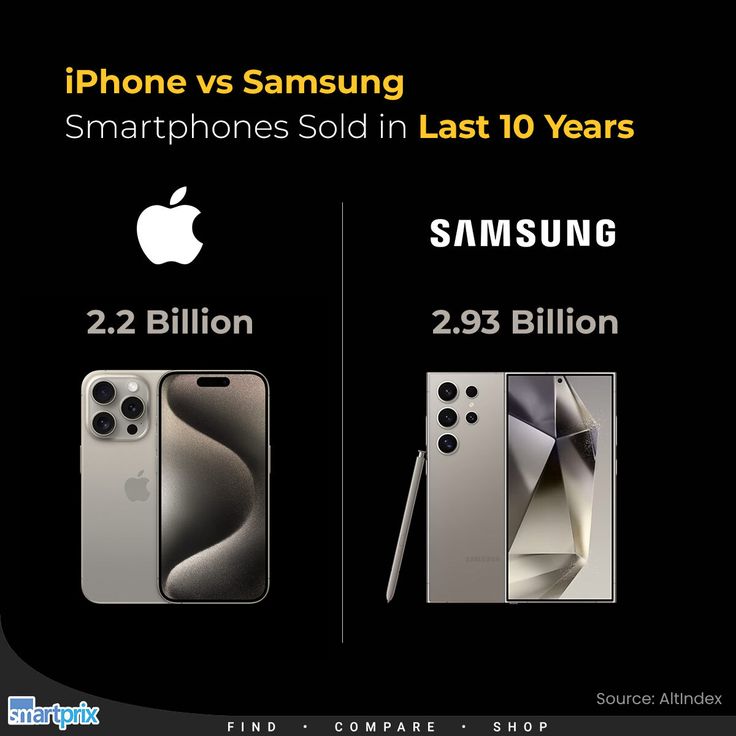
Samsung and Apple dominate the premium smartphone market, each offering unique strengths that appeal to different types of users. Samsung provides flexibility, customization, cutting-edge hardware, and a wide variety of devices. Apple focuses on seamless integration, software optimization, long-term support, and a highly connected ecosystem.
Whether you are a student, professional, content creator, gamer, or casual smartphone user, understanding the differences between these ecosystems can help you make a more informed decision. This guide compares Samsung and iPhone across key categories including performance, design, software, productivity, entertainment, security, ecosystem integration, and overall value.

Understanding Smartphone Ecosystems
A smartphone ecosystem includes all the products and services that work together around your phone.
Examples include:
- Smartwatches
- Tablets
- Laptops
- Wireless earbuds
- Cloud services
- Smart home devices
The stronger the ecosystem, the more seamless the user experience becomes.
Samsung Ecosystem Overview
Samsung has developed one of the most comprehensive Android ecosystems available.
Key products include:
- Galaxy smartphones
- Galaxy tablets
- Galaxy Watches
- Galaxy Buds
- Galaxy Books
- SmartThings smart home platform
Samsung users benefit from extensive hardware variety and flexibility.
Apple Ecosystem Overview
Apple’s ecosystem revolves around tight integration between devices and services.
Major products include:
- iPhone
- iPad
- Mac
- Apple Watch
- AirPods
- Apple TV
Apple focuses on creating a unified experience where every device works together seamlessly.
Design Philosophy
Samsung and Apple approach smartphone design differently.
Samsung Design Approach
Samsung often emphasizes:
Innovation
Rapid adoption of new technologies.
Variety
Multiple sizes and form factors.
Foldable Devices
Industry-leading foldable smartphone lineup.
Samsung frequently introduces experimental features before competitors.
Apple Design Approach
Apple prioritizes:
Consistency
Refined user experiences.
Premium Materials
High-quality construction.
Simplicity
Clean and recognizable designs.
Apple tends to adopt new technologies more gradually but often with strong optimization.
Performance and Processing Power
Both Samsung and Apple offer excellent performance.
Apple Performance Advantages
Apple designs its own processors.
Benefits include:
- Exceptional efficiency
- Outstanding single-core performance
- Excellent battery optimization
- Strong long-term performance
Apple processors consistently rank among the fastest mobile chips.

Samsung Performance Advantages
Samsung’s flagship devices offer:
- Powerful processors
- Advanced multitasking
- Excellent gaming performance
- Diverse hardware options
Performance differences are minimal for most users.
Software Experience
Software is one of the biggest differences between Samsung and iPhone.
Samsung’s Android Experience
Samsung uses its customized Android interface.
Advantages include:
Extensive Customization
Personalize nearly everything.
Flexible File Management
Greater control over files.
More User Freedom
Customize workflows extensively.
Android appeals to users who enjoy flexibility.
Apple’s iOS Experience
iOS focuses on simplicity and consistency.
Advantages include:
Smooth Performance
Highly optimized software.
Easy Learning Curve
User-friendly interface.
Consistent Updates
Simultaneous rollout across devices.
Many users appreciate iOS for its simplicity and reliability.
Ecosystem Integration
Ecosystem connectivity significantly influences user experience.
Apple Ecosystem Strengths
Apple is widely considered the leader in ecosystem integration.
Features include:
Handoff
Continue tasks across devices.
AirDrop
Instant file sharing.
Universal Clipboard
Copy and paste between devices.
Continuity Features
Seamless communication across products.
The Apple ecosystem feels highly unified.
Samsung Ecosystem Strengths
Samsung continues improving ecosystem integration.
Features include:
Samsung DeX
Desktop-like computing experience.
SmartThings
Smart home control platform.
Galaxy Connectivity
Cross-device functionality.
Samsung offers impressive ecosystem flexibility.
Productivity Features
Many users depend on smartphones for work and study.
Samsung Productivity Advantages
Samsung excels in productivity.
Key features include:
Samsung DeX
Turn a smartphone into a desktop workstation.
Multi-Window Support
Run multiple apps simultaneously.
S Pen Compatibility
Advanced note-taking and creative workflows.
Samsung often appeals to power users.
Apple Productivity Advantages
Apple focuses on cross-device productivity.
Benefits include:
Seamless Mac Integration
Effortless workflow continuity.
iCloud Synchronization
Automatic content syncing.
Professional Apps
Strong software ecosystem.
Apple productivity thrives within its broader ecosystem.
Camera Performance
Both Samsung and Apple produce exceptional smartphone cameras.
Samsung Camera Strengths
Samsung prioritizes versatility.
Advantages include:
High-Resolution Sensors
Capture extensive detail.
Advanced Zoom Systems
Excellent long-distance photography.
Vibrant Image Processing
Visually striking photos.
Samsung often appeals to photography enthusiasts.
iPhone Camera Strengths
Apple emphasizes consistency.
Advantages include:
Natural Colors
Realistic image reproduction.
Reliable Performance
Consistent results.
Industry-Leading Video Recording
Outstanding video quality.
Many content creators prefer iPhones for video production.
Battery Life and Charging
Battery performance is a major consideration.
Samsung Advantages
Samsung often offers:
- Larger batteries
- Faster charging
- More charging options
These features provide added convenience.
Apple Advantages
Apple focuses on:
- Battery optimization
- Efficient power management
- Long-term battery health
Efficiency helps maximize real-world endurance.
Gaming Experience
Both ecosystems support excellent gaming.
Samsung Gaming Strengths
Advantages include:
High Refresh Rate Displays
Smooth gameplay.
Gaming-Focused Hardware
Powerful performance.
Larger Device Selection
More gaming options.
iPhone Gaming Strengths
Advantages include:
Powerful Processors
Excellent game performance.
Strong Developer Support
Optimized gaming experiences.
Consistent Performance
Reliable frame rates.
Both platforms perform exceptionally well for gaming.
Smartwatch Integration
Smartwatches play an increasingly important role in mobile ecosystems.
Apple Watch Integration
Benefits include:
- Deep iPhone connectivity
- Strong health tracking
- Seamless user experience
Apple Watch remains one of the most popular smartwatches globally.
Galaxy Watch Integration
Advantages include:
- Android compatibility
- Comprehensive health features
- Samsung ecosystem integration
Galaxy Watches continue improving each year.
Security and Privacy
Privacy has become increasingly important.
Apple Security Strengths
Apple emphasizes:
Privacy Controls
Greater transparency.
Secure Hardware
Enhanced protection.
Controlled App Ecosystem
Reduced security risks.
Privacy remains a key Apple selling point.
Samsung Security Strengths
Samsung offers:
Samsung Knox
Enterprise-grade protection.
Secure Folder
Protected storage environments.
Regular Security Updates
Improved user protection.
Samsung provides strong security capabilities.
Customization and User Freedom
This category clearly favors Samsung.
Samsung Advantages
Users can:
- Customize launchers
- Modify interfaces
- Install alternative apps
- Manage files more freely
Android offers extensive flexibility.
Apple Approach
Apple prioritizes:
- Consistency
- Simplicity
- Controlled experiences
While customization has improved, iOS remains more restrictive.
Software Updates and Longevity
Long-term support influences device value.
Apple Advantages
Benefits include:
- Extended update support
- Simultaneous global updates
- Consistent software quality
Apple remains a leader in software longevity.
Samsung Advantages
Samsung has significantly improved:
- Update policies
- Security support
- Long-term software commitments
Samsung now competes closely with Apple in this area.
Price and Value
Both ecosystems offer products across multiple price ranges.
Samsung
Provides:
- Budget devices
- Mid-range options
- Premium flagships
- Foldable smartphones
Samsung offers greater variety.
Apple
Focuses primarily on:
- Premium smartphones
- Long-term value
- Strong resale prices
Apple devices often retain value better over time.
Who Should Choose Samsung?
Samsung may be ideal if you prioritize:
- Customization
- Foldable technology
- Productivity features
- Hardware variety
- Fast charging
- Advanced multitasking
Samsung appeals to users who value flexibility and innovation.
Who Should Choose iPhone?
The iPhone may be ideal if you prioritize:
- Ecosystem integration
- Long-term software support
- Simplicity
- Security
- Video recording
- Apple product compatibility
Apple appeals to users who prefer seamless experiences.
Future Trends for Both Ecosystems
Both Samsung and Apple continue investing heavily in:
Artificial Intelligence
Smarter user experiences.
Advanced Cameras
Improved photography.
Wearable Devices
Expanded ecosystem functionality.
Smart Home Integration
Greater connectivity.
Productivity Tools
Enhanced workflows.
Competition between these companies will continue driving innovation.
Conclusion
The question of Samsung vs iPhone: Which Smartphone Ecosystem Is Right for You? ultimately depends on your personal preferences, workflow, and technology priorities. Samsung excels in customization, hardware variety, productivity tools, multitasking, and innovative technologies such as foldable devices. Apple stands out for ecosystem integration, software optimization, privacy, long-term support, and seamless cross-device experiences.
Neither ecosystem is objectively superior for every user. Students, professionals, gamers, photographers, content creators, and casual users may all reach different conclusions based on their individual needs. Samsung offers flexibility and innovation, while Apple provides simplicity and consistency.
By understanding the strengths and weaknesses of each ecosystem, consumers can make a confident decision and invest in a smartphone platform that will serve them effectively for years to come. Whether you choose Samsung or iPhone, both ecosystems offer powerful devices and exceptional experiences that continue to shape the future of mobile technology.
